
5 Signs Your Baby May Benefit From a Chiropractic Check (and What They Can Mean)
Updated
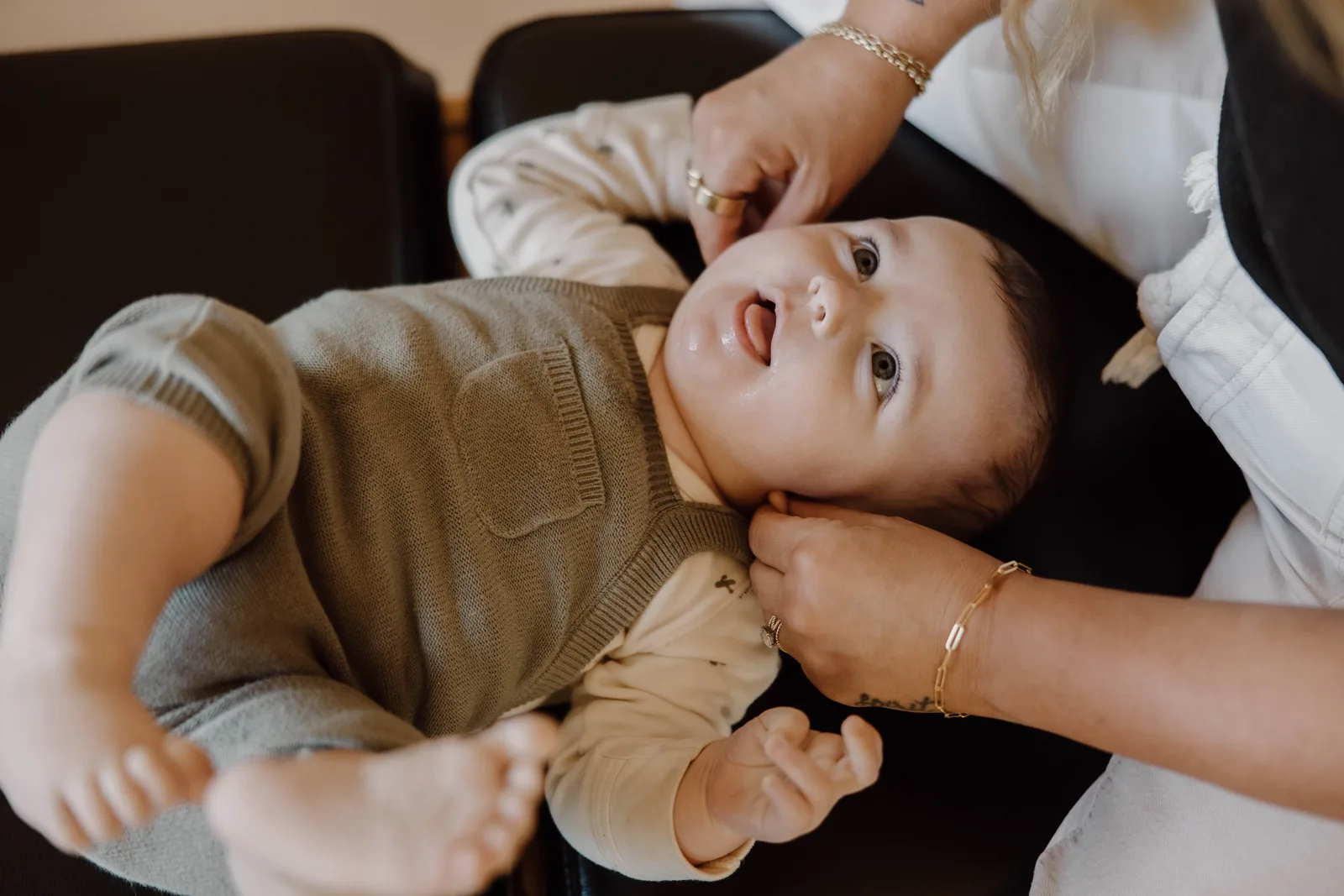
You've tried the swaddles, the sound machine, the gas drops, and the 2 a.m. bouncing, and you're still wondering whether something could help. These are five of the most common reasons parents bring their babies to Taproot Chiropractic in Temecula.
Each of these signs can have many causes, so your pediatrician should always be your first call. Here's what each one can mean, when to get medical care, and how gentle chiropractic care can fit in.
Sign 1: Feeding on One Side or Trouble Latching
What you're noticing: your baby prefers one breast, fusses on the other side, or struggles to open wide and latch.
What to know: one-sided feeding can come from many things, including tightness in the neck or jaw, tongue tie, positioning, or milk flow. A lactation consultant and your pediatrician can help sort out the cause, especially if you're worried about weight gain.
How we look at it: we gently check how your baby moves their head, neck, and jaw, and how comfortably they turn to each side. We often work alongside lactation consultants and providers who evaluate tongue tie.
Sign 2: Long Crying Spells Despite Everything You've Tried
What you're noticing: your baby cries for hours, often in the evening, pulls up their legs, arches, and is hard to soothe.
What to know: colic is common, its exact cause isn't fully understood, and many babies outgrow it. Your pediatrician should evaluate ongoing crying to rule out other causes. Call right away if crying comes with a fever, poor feeding, vomiting, or a cry that sounds unusual.
How we look at it: a calm, regulated nervous system helps babies rest, feed, and settle. We look at how your baby's nervous system is adapting, including how they move, rest, and respond to gentle touch.
Sign 3: Always Turning the Head the Same Way
What you're noticing: your baby looks mostly to one side, resists turning the other way, or is developing a flat spot.
What to know: a strong head-turning preference can be a sign of torticollis, a tight neck muscle that's often linked to positioning in the womb or a difficult delivery. Talk with your pediatrician, who may recommend physical therapy. Early support matters, especially if a flat spot is forming.
How we look at it: gentle care can support comfortable, adaptable movement alongside your pediatric and physical therapy team.
Sign 4: Frequent Spit-Up
What you're noticing: your baby spits up after most feeds, arches during or after eating, or seems uncomfortable lying flat.
What to know: spit-up is very common because the muscle between the stomach and esophagus is still maturing, and most babies outgrow it. Call your pediatrician if spit-up is forceful or green, if your baby isn't gaining weight, or if feeding seems painful.
How we look at it: we look at how your baby's nervous system is adapting, alongside your pediatrician's care.
Sign 5: Short Sleep Stretches and Constant Startling
What you're noticing: your baby wakes every 20 to 30 minutes, startles often, and only settles when held upright.
What to know: frequent waking is normal for young babies, and newborns aren't built for long stretches of sleep yet. If your baby is unusually hard to wake, isn't feeding well, or you're worried, call your pediatrician.
How we look at it: we look at how settled or on-alert your baby's nervous system seems, and share ideas for calming routines at home.
What These Signs Have in Common
None of these signs has a single cause, and none of them means you're doing something wrong. They're among the most common reasons parents look for extra support in the newborn months.
At Taproot, we look at how your baby's nervous system is adapting. Visits use light fingertip contact, about the pressure you'd use to test a tomato for ripeness, and we work alongside your pediatrician, lactation consultant, and physical therapist. Chiropractic care does not diagnose or treat these conditions, and we can't promise specific changes. Every baby responds on their own timeline.
To learn what a visit looks like, read what happens at a baby's first chiropractic visit.
Frequently Asked Questions
Is chiropractic care safe for babies?
Infant care at Taproot uses very light, sustained fingertip contact adapted to a baby's size. Dr. Jennifer is FOCUS-certified with training in infant assessment, reviews your baby's history first, and works alongside your pediatrician.
How many visits will my baby need?
It depends on your baby's assessment and your family's goals. Dr. Jennifer recommends a plan after the first visit and checks in regularly about how your baby is doing.
Does insurance cover pediatric chiropractic care?
Taproot Chiropractic does not accept insurance. We keep our pricing simple and transparent, and we accept HSA and FSA cards for visits.
Should I see my pediatrician first?
Yes, especially for feeding, weight, crying, or breathing concerns. Chiropractic care works alongside your pediatrician's care, not in place of it.
Ready to find your roots?
Schedule a complimentary 15-minute consultation to see if our neurologically-based approach is the right fit for your family.