
Preparing for the Holidays: Supporting Your Child Through Seasonal Stress
Updated
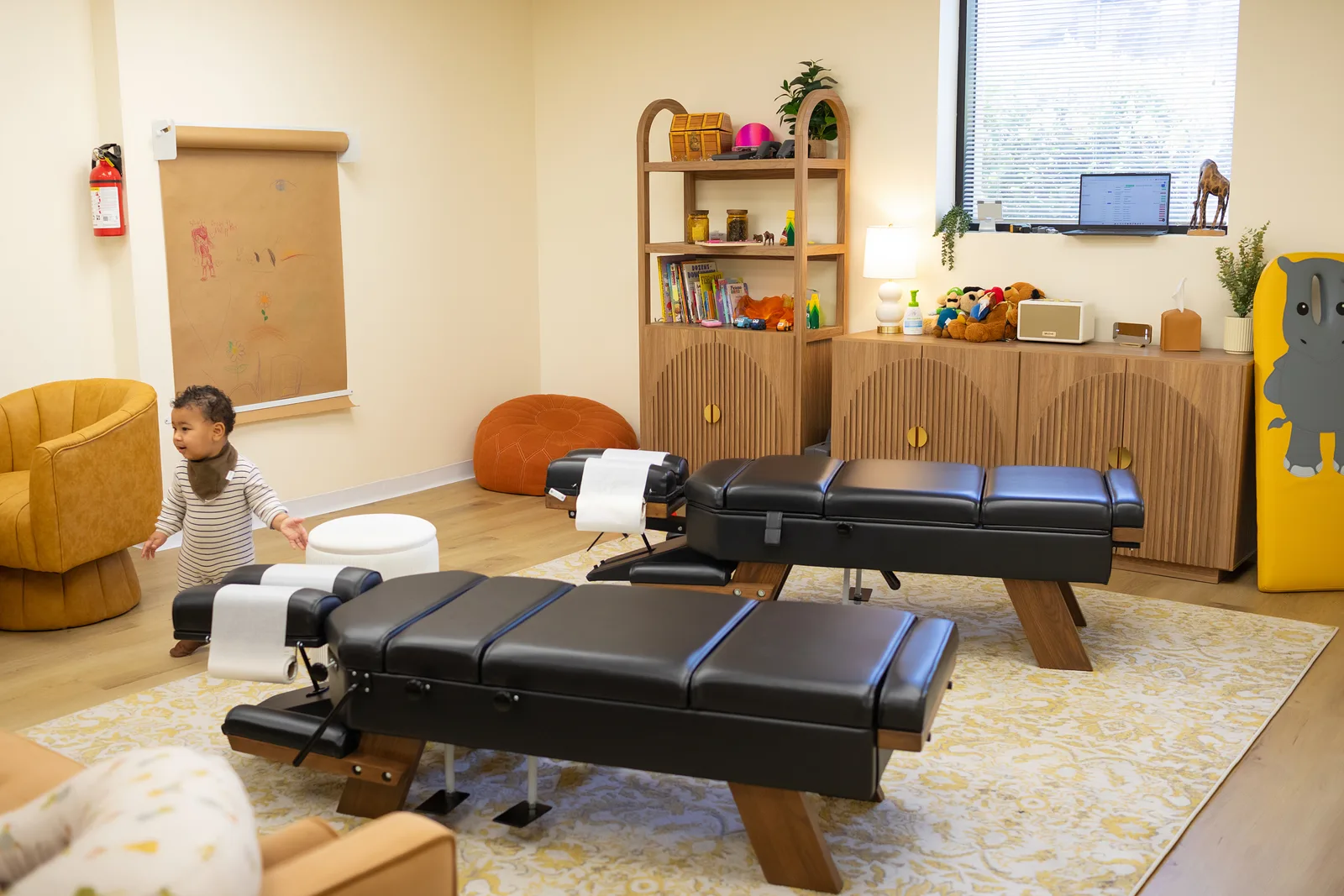
The holidays are full of joy, and for a lot of kids they're also full of overwhelm. The lights, crowds, travel, late nights, and new faces add up quickly. If your usually steady child seems like a different person between Thanksgiving and New Year's, you're not imagining it, and you're not doing anything wrong.
I'm Dr. Jennifer Gordon at Taproot Chiropractic in Temecula, and I see this pattern every year. Here's why the season is so much for kids, and practical ways to help.
Why the Holidays Feel Like So Much
Sensory overload
Bright and flashing lights, loud music, crowded stores, strong smells, scratchy holiday clothes, and lots of hugs from relatives all add sensory input. When a child takes in more than they can comfortably process, their body can shift into a stressed, on-alert state, even when nothing is actually wrong.
Disrupted routines
Predictable routines help kids feel settled. The holidays change bedtimes, mealtimes, and daily rhythms, and school break removes the structure many kids rely on. Sleep in unfamiliar places makes it harder still.
Social and emotional demands
Kids are asked to greet relatives, smile for photos, sit through long meals, and show gratitude on cue. Excitement itself is a high-energy state, and for some children it tips into anxiety.
Signs Your Child Is Overwhelmed
You might notice more meltdowns, clinginess, or defiance; trouble falling or staying asleep; more stimming or self-soothing; withdrawal; or tummy aches and appetite changes. These are signs your child has reached their limit, not signs of bad behavior. Compassion and support help more than consequences.
If your child's symptoms are severe, last after the holidays, or worry you, talk with your pediatrician.
Before Events: Prepare
- Protect sleep and keep morning, meal, and bedtime routines as steady as you can
- Preview the day: who will be there, what will happen, and how long you'll stay
- Practice greetings and thank-yous ahead of time
- Pick a quiet spot for breaks before you arrive
- Pack a calm-down kit: headphones, a favorite blanket or fidget, sunglasses, and familiar snacks
During Events: Support in Real Time
- Watch for your child's early warning signs and step in before a meltdown
- Offer a short movement or quiet break every 30 to 60 minutes
- Let your child regulate in the way that works for them, like sitting on your lap or stimming
- Lower the pressure: a wave can replace a hug, and one good photo is enough
- Stay calm yourself; your steady presence helps your child settle
After Events: Recover and Reset
- Plan quiet downtime the next day
- Return to your normal routine as soon as you can
- Offer calming activities like a warm bath, outdoor time, or quiet play
- Name what happened: "That was a lot, wasn't it?"
Tips by Age
Babies and toddlers: protect naps, keep events short, bring familiar items, and wear your baby in a carrier.
Preschoolers: use picture schedules, role-play greetings, and build in movement.
School-age kids: plan together, and teach them to ask for a break.
Teens: give them a say in which events they attend, and respect their need for alone time.
Take Care of Your Own Nervous System, Too
Kids take cues from the adults around them. Saying no to a few commitments, keeping your own sleep and movement, and asking for help aren't selfish. They're part of helping your child through the season.
Where Chiropractic Fits In
Chiropractic care isn't a fix for holiday meltdowns, and nothing replaces sleep, routine, and your calm presence. For families already in care at Taproot, many choose to keep their regular visits through the season as one more steady anchor. Our visits look at how your child's nervous system is adapting, and we're happy to talk through strategies that fit your family's plans. If your child has sensory differences, you can learn more about our sensory processing support in Temecula.
Frequently Asked Questions
How can I explain my child's needs to family?
Keep it short and confident: "This is what works for our family." You don't owe a long explanation, and your child's needs can come before a relative's expectations.
Is it okay to skip holiday events?
Yes. It's completely reasonable to choose the events your child can handle and skip or shorten the rest.
What if my child melts down in front of everyone?
Step away to your quiet spot, stay calm, and help your child settle. A meltdown means your child needs support, not that the day is ruined.
Ready to find your roots?
Schedule a complimentary 15-minute consultation to see if our neurologically-based approach is the right fit for your family.